A Guide on What to Look for When Buying a Ski Helmet

Choosing the right ski helmet is essential for safety, comfort, and performance on the slopes. This guide breaks down what to look for before buying so you can make a well-informed decision for your next snow adventure.
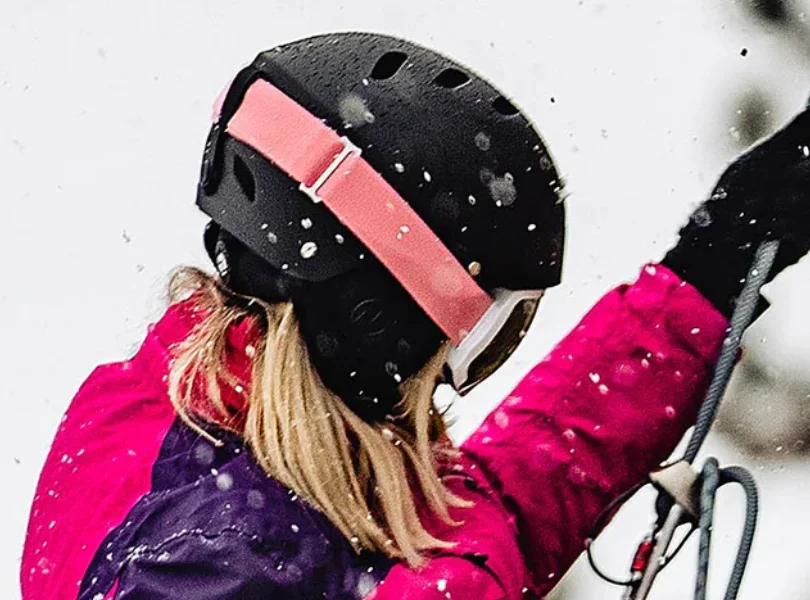
Prepping for your next snow vacation means packing in your snow gear like jackets, gloves, boots, skis, snowboards, and snowshoes. But while people would take extra care in buying the latest sports accessories, unfortunately, they settle for buying cheaper ski helmets, which end up not protecting their heads and can even weigh them down.
This guide will explain the importance of investing in a good helmet, what you should look for when buying one, and why some brands, such as Outdoor Master, are a go-to for durable, top-quality helmets.
Why It’s Important to Choose the Right Ski Helmet
Having the right ski helmet is essential, even if you’re experienced at flawlessly traversing snowy terrains. This is because accidents can happen to anyone, and one fatal hit to the head will leave you with nothing but regrets and maybe a headache.
A helmet should properly fit; too tight and it will feel constrictive, too loose might cause it to slip off. The right size will absorb the impact and reduce serious head injuries. Comfort is just as important; your helmet should fit your head snugly, stay in place securely, and easily work with your goggles.
Key Factors to Consider When Buying a Ski Helmet
The best ski helmet isn't the one with the most features, but the one that fits properly and meets trusted safety standards. Here’s what to keep in mind when buying one.
Find the Right Fit Before Anything Else
A good fit is the foundation of every helmet. Measure your head circumference just above your ears and eyebrows, then compare it with a sizing chart rather than simply guessing your size.
The helmet should sit just above your eyebrows once you put it on and feel snug without causing pressure. Give your head a gentle shake to make sure it stays in place and use the adjustable dial fit system to adjust the fit if needed.
Check for Trusted Safety Certifications
Always look for ski helmets that meet recognized safety standards like ASTM F2040 or CE EN1077. These certifications show the helmet has been tested to handle impacts commonly experienced during skiing and snowboarding.
While style and comfort matter, they should never replace proven protection. If a helmet doesn't clearly display a recognized certification, it's best to keep looking.
Consider MIPS for Added Protection
MIPS or Multi-directional Impact Protection System is designed to help reduce rotational forces during certain angled impacts. Since not every fall happens directly on the head, this added feature acts as an extra layer of protection.
Although MIPS isn't necessary, most skiers look for it specifically because it offers added confidence without changing how the helmet fits or feels during everyday use.
Make Sure Your Goggles Fit Properly
Your ski helmet and goggles should fit together without leaving a noticeable gap across your forehead. A proper fit helps keep cold air out while creating a more comfortable setup.
It's also important that the helmet doesn't push your goggles down on your nose. So make sure to try putting both of them on together to make sure they fit easily and don’t cause discomfort..
Choose Ventilation That Matches Your Riding Conditions
Weather can change quickly during a day of skiing, so adjustable ventilation is a feature worth having. Opening the vents helps release heat on warmer afternoons, while closing them keeps you warmer when temperatures drop.
Good airflow also helps reduce moisture inside the helmet, making it less likely for your ski goggles to fog up while you're riding.
Look for Convenience Features You'll Appreciate Later
Some features don't seem important until you've spent hours on the slopes. Magnetic buckles make fastening your helmet with gloves much easier, while removable ear pads let you adapt to changing conditions.
Lightweight construction helps reduce neck fatigue during long days, and audio-compatible ear pads are a nice bonus if you like listening to music or staying connected while you ride. These details won't replace safety, but they can make every trip more enjoyable.
Common Mistakes to Avoid When Buying a Ski Helmet
Avoiding a few outcalls can make it much easier to choose a ski helmet that keeps you safe and comfortable.
-
Don't choose a helmet based on price only; make sure to prioritize fit, safety, and value.
-
Avoid guessing your size; make sure to measure your head and follow the sizing chart.
-
Never buy a helmet without ASTM F2040 or CE EN1077 certification.
-
Try your helmet and goggles on together to avoid gaps and pressure points.
-
Style should always come second to protection, so always choose a safe helmet..
Why Outdoor Master Is a Smart Choice for Ski Helmets
Choosing the right helmet is easier when you can rely on a brand that balances safety, comfort, and value. That's where Outdoor Master stands apart, offering ski helmets that are a popular choice among skiers and snowboarders. They come with premium features below at a budget-friendly price, which makes them ideal for beginners and experienced skiers.
-
Certified ASTM F2040 safety protection for reliable performance on the slopes.
-
MIPS options available for added protection during certain angled impacts.
-
Adjustable dial fit systems for a secure, personalized fit.
-
Lightweight construction with soft, fleece-lined interiors for lasting comfort.
-
Adjustable ventilation to help regulate temperature in changing conditions.
-
Designed to pair seamlessly with Outdoor Master ski goggles for a gap-free fit.
-
Audio-compatible removable ear pads for riders who enjoy music on the mountain.
FAQs
Is a MIPS Ski Helmet worth Buying?
A MIPS ski helmet adds protection against certain angled impacts, making it a worthwhile upgrade for many skiers and snowboarders.
How Do I Choose Ski Goggles That Fit My Helmet?
Choose ski goggles that sit flush against your helmet without leaving a forehead gap or creating pressure on your nose.
Do I Really Need Waterproof Ski Wear?
Yes. Waterproof ski wear helps keep you dry, warm, and comfortable by blocking snow and moisture during long days on the slopes.
Why Choose Outdoor Master for Ski Gear?
Outdoor Master offers ski helmets, ski goggles, and accessories that combine trusted safety, comfort, and great value for all skill levels.
Your ski helmet arguably the most important piece of snow gear needed for your time on the mountain. So it's worth choosing one that offers the right fit, certified protection, lasting comfort, and seamless goggle compatibility instead of simply picking the cheapest option. Outdoor Master makes that decision easier with ski helmets designed to deliver the features most riders need at an affordable price. Before you buy, be sure to check out the latest Outdoor Master discount codes to save on your next ski helmet and other essential gear.
Stay tuned to VibeBlossom for more practical buying guides for snow gear.
Recent Blogs
-

Why NH Hotels Should Be Your Go To Choice for European City Breaks
-
Top Picks by INTOLED NL for Modern LED Lighting
-

Fragrance.com EU Review: Is It The Best Place To Buy Designer Perfumes Online?
-

Terravision Airport Transfer Review 2024: Is It the Best Way to Travel Europe?
-
European Sleeper Night Train Guide: Routes, Timetable, and Booking Tips