How to Create a Relaxing Bedroom Sanctuary for Better Sleep

A well-designed bedroom can improve sleep quality. From soothing colors to the right bedding, these simple changes create a relaxing, sleep-friendly space.
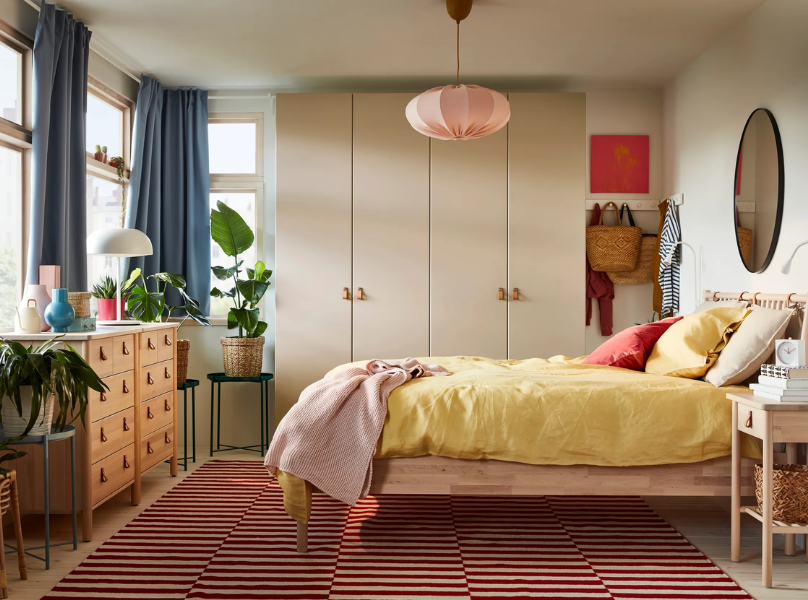
A good night’s sleep is not limited only to how many hours you spend in bed but also where you sleep. Your bedroom plays a huge role in the quality of your sleep, from the colors on the walls to the type of bedding you use. A cluttered, overstimulating, or uncomfortable environment can make it harder to unwind, while a thoughtfully designed space can transform sleep into a truly restorative experience.
If your sleeping bedroom feels more like a storage space than a sanctuary, it might be time for a change. The right bedroom colors for better sleep, soothing textures, proper lighting, and small enhancements like aromatherapy or a bedroom fan for sleeping can make all the difference.
Whether you're struggling to fall asleep or want to wake up feeling more refreshed, here’s how to create a bedroom that promotes deep, restful sleep every night.
Choosing the Right Color Palette for a Calming Effect
The color of your bedroom has a bigger impact on sleep than you might think. Certain shades promote relaxation, while others can be too energizing and make it harder to wind down.
Best Bedroom Colors for Sleep
- Soft Blues: Scientifically proven to lower heart rate and reduce stress.
- Earthy Greens: Evokes a sense of tranquility, like being in nature.
- Warm Neutrals: Beige, taupe, and soft grays create a cozy and calming effect.
- Lavender or Muted Purples: Soothing and known to reduce anxiety.
Colors to Avoid
- Bright Reds and Oranges: Stimulating and linked to increased alertness.
- Neon or Bold Colors: Distracting and overstimulating before bed.
By selecting good bedroom colors for sleep, you’re setting the stage for a more peaceful and relaxing space.
Why Your Sheets and Pillows Matter
Your bed should feel like a cloud of comfort, not just a place to crash at night. Investing in high-quality bedding is one of the simplest yet most effective ways to improve sleep.
Choosing the Best Sheets for a Better Night’s Sleep
The right sheets can keep you cool, comfortable, and cozy all night long. Look for:
- Breathable Fabrics: Cotton, linen, or bamboo allow airflow and prevent overheating.
- Thread Count Sweet Spot: 300–500 for softness without sacrificing breathability.
- Moisture-Wicking Properties: Especially important for hot sleepers.
Finding the Perfect Pillow for Your Sleeping Position
Your bedroom sleeping position determines what kind of pillow you need:
- Back Sleepers: Medium-firm pillow to support the neck.
- Side Sleepers: A Firm pillow to keep the spine aligned.
- Stomach Sleepers: Soft pillow to prevent neck strain.
A high-quality mattress, supportive pillows, and soft, breathable sheets create the perfect sleep environment, making falling (and staying) asleep much easier.
How Warm Lighting Improves Rest
Your body’s natural sleep-wake cycle (circadian rhythm) is heavily influenced by light exposure. The wrong lighting in the bedroom can disrupt melatonin production, making it harder to fall asleep.
The Best Lighting for Sleep
- Warm, Dim Lighting: Soft yellow or amber light mimics sunset and preps the body for sleep.
- Smart Dimmers: Adjustable brightness levels help ease the transition from wakefulness to sleep.
- No Harsh Overhead Lighting Before Bed: Use bedside lamps with warm-toned bulbs instead.
The Worst Light for Sleep: Blue Light
- Screens (Phones, TVs, Laptops): Blue light tricks the brain into thinking it’s still daytime.
- Fluorescent or Cool-Toned LED Bulbs: Can feel harsh and overstimulating.
Switching to warm, dim lighting in the evening helps the body recognize when it’s time to rest, leading to deeper and more natural sleep patterns.
Decluttering for a Stress-Free Space
A cluttered space creates a cluttered mind, which can increase stress levels and make it harder to relax before bed. Organizing your sleeping bedroom properly can make your space feel more tranquil and inviting.
How to Create a Minimal, Relaxing Bedroom
- Keep Nightstands Clear: Only keep essentials like a lamp, book, or water bottle.
- Under-the-Bed Storage: Use stylish storage bins to reduce visible clutter.
- Invest in a Functional Closet System: Keeping clothes organized reduces visual chaos.
Furniture Arrangement and the Ideal Bedroom Sleeping Position
- Bed Placement: Facing the door, but not directly in line with it, creates a sense of security.
- Keep Tech Away From the Bed: Phones, tablets, and computers should have a designated spot away from the sleeping area.
- Use Blackout Curtains: Blocking outside light helps maintain darkness for uninterrupted sleep.
When your bedroom is decluttered and well-organized, it automatically feels more calming, making it easier to wind down after a long day.
Aromatherapy, Sound Machines, and Other Sleep Enhancers
Small sensory additions can transform a bedroom into a true sleep sanctuary. From soothing scents to calming background noise, these simple upgrades can significantly improve sleep quality.
The Power of Scent
- Lavender: Known to lower stress and promote deeper sleep.
- Chamomile: A natural calming agent that encourages relaxation.
- Sandalwood: Helps reduce heart rate and prepare the mind for rest.
The Best Bedroom Fans for Sleeping
A bedroom fan serves multiple sleep-enhancing purposes:
- Creates White Noise: Helps drown out background distractions.
- Improves Air Circulation: Prevents stuffiness and keeps the air fresh.
- Cools Down the Room: Regulates the ideal bedroom temperature for sleeping (which is around 60-67°F for optimal rest).
Sound Machines and Sleep-Friendly Background Noise
- White Noise Machines: Block out sudden noises that could disturb sleep.
- Rain or Ocean Sounds: Mimic nature and create a soothing environment.
- Binaural Beats: Promote relaxation by synchronizing brainwaves with calming frequencies.
These small yet powerful sleep enhancers make a noticeable difference in deepening rest and improving sleep quality over time.
Creating a sleep-friendly bedroom consists of designing a space that supports rest, relaxation, and overall well-being. By choosing the right bedroom colors for better sleep, investing in high-quality bedding, optimizing lighting, decluttering, and incorporating sleep enhancers like aromatherapy or a fan for sleeping, you can transform your space into a sanctuary of relaxation.
For more expert home and wellness tips, follow Vibeblossom for the latest trends and inspiration.
Recent Blogs
-

Wallester Virtual Card Guide: How to Issue and Manage Free Corporate Cards
-

Top Wet Cat Food Picks from Open Farm for Picky Cats
-

ROKFORM iPhone 16 Pro Max Case Review: Does it Keep Your iPhone Safe after Multiple Falls?
-

Top Shift Dress Picks for Effortless Style and Everyday Elegance
-

Best Wedding Rings for Men from QALO for the Day You’ll Never Forget